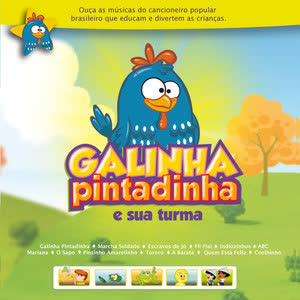
O Sapo Não Lava o Pé is one of the most beloved children's songs in the Portuguese-speaking world, and for very good reason. With its silly, repetitive lyrics and bouncing rhythm, this classic tune has been making children laugh, dance, and sing along for generations. Whether you are a parent building a family playlist, a teacher looking for a fun classroom activity, or simply someone who grew up with this song and wants to revisit it, this guide covers everything you need to know about the track, its cultural roots, and how to make the most of it with the little ones in your life.
The Story Behind O Sapo Não Lava o Pé
The song tells the hilarious story of a frog who simply refuses to wash his feet. The lyrics describe how the poor frog has not washed his feet in such a long time that the smell has become legendary. The imagery is deliberately exaggerated and absurd, which is exactly why children find it so funny. Kids naturally relate to the idea of avoiding bath time or chores, and the frog becomes a playful symbol of that universal childhood resistance.
The origins of the song are rooted in Brazilian and Portuguese oral tradition. Like many folk rhymes passed down through generations, the exact authorship is difficult to pin down, but its presence in kindergartens, birthday parties, and family gatherings across Brazil, Portugal, Cape Verde, Angola, and Mozambique speaks to how deeply it has embedded itself in the cultural fabric of the Portuguese-speaking world.
Over the decades, the song has been recorded by countless artists, children's music groups, and educational channels. Each version brings its own flavour, whether it leans into a simple acoustic guitar arrangement, a more modern pop-style production, or an animated video format designed to hold the attention of younger children. What never changes is the charm of the core melody and the infectious silliness of the lyrics.
Why This Song Works So Well for Children
There is a reason music educators and child development specialists often recommend songs like this one for early learning environments. Understanding why it works so well can help parents and teachers use it more intentionally.
Repetition Builds Language Skills
The song relies heavily on repetitive phrases and a predictable structure. This is not a weakness in the writing. It is actually one of its greatest strengths. Repetition helps young children learn new vocabulary, improve their pronunciation, and build confidence when singing along. After hearing the chorus just a couple of times, most children can join in, which gives them an immediate sense of achievement.
Rhythm and Movement Support Motor Development
The bouncy rhythm of the song naturally encourages movement. Children tend to clap, jump, and dance when they hear it, and that physical engagement supports gross motor development and coordination. Using the song as part of a structured movement activity at school or at home turns listening into a full-body experience that children remember.
Humour Creates Emotional Connection
The absurdity of the story, a frog with notoriously unwashed feet, appeals directly to children's sense of humour. Laughter is a powerful bonding tool, and shared moments of silliness between children and caregivers or classmates help build trust, positive associations with learning, and emotional wellbeing. A song that makes a child laugh is a song they will want to hear again and again.
How to Use O Sapo Não Lava o Pé at Home and in the Classroom
Getting the most out of this song goes beyond simply pressing play. Here are some practical ways to incorporate it into daily routines and educational activities.
Bath Time and Hygiene Conversations
One of the most natural moments to use this song is during bath time. Playing it while a child gets ready for their bath turns a potentially resistant moment into a fun and memorable one. After the song, you can have a simple conversation about why the frog smells so bad and how washing helps us stay healthy and comfortable. This approach uses humour to open the door to important hygiene habits without lecturing.
Classroom Sing-Alongs and Circle Time
Teachers working with children aged two to seven will find this song perfect for circle time activities. You can use the song as a call-and-response exercise, pausing before the repeated phrases and letting the children fill them in. This technique encourages active listening and participation, turning a passive listening moment into an interactive group activity.
Arts and Crafts Extension Activity
After listening to the song, invite children to draw or paint their own version of the famous frog. What does he look like? What are his dirty feet doing? This creative extension activity reinforces the vocabulary from the song while giving children a chance to express themselves visually. Displaying their artwork creates a sense of pride and ownership over the learning experience.
Language Learning for Non-Native Speakers
For families raising bilingual children or for language teachers introducing Portuguese to young learners, this song is an excellent starting point. Its simple vocabulary, clear pronunciation, and memorable melody make it far easier to learn than structured grammar lessons. Singing in a new language removes the pressure and replaces it with play, which is the most effective environment for early language acquisition.
What Makes the Latest Version Worth Listening To
The newest recording of this classic brings fresh energy while staying true to the spirit of the original. The production is clean and bright, with warm instrumentation that feels modern without losing the traditional charm. The vocals are clear and expressive, making it easy for children to follow along and pick up the words quickly. The arrangement gives the song enough energy to work as a movement activity while still feeling relaxed enough to use as background music during creative play or mealtimes.
Whether you are discovering this song for the first time or returning to it after years away, this updated version is a genuinely enjoyable listen for the whole family. It holds up beautifully alongside other staples of the children's music canon and deserves a permanent place in any Portuguese-language playlist for kids.
Building a Broader Children's Music Playlist Around This Song
If your child loves this track, it is a great starting point for exploring a wider world of Portuguese-language children's music. Traditional folk songs and nursery rhymes in Portuguese share many of the same qualities that make this song so effective. Simple language, strong rhythm, playful themes, and memorable melodies are the hallmarks of the genre.
Look for other classic Brazilian and Portuguese children's songs that deal with animals, nature, and everyday life. These themes resonate strongly with young children who are actively making sense of the world around them. Building a playlist that mixes familiar favourites with new discoveries keeps the listening experience fresh while deepening a child's connection to the language and culture.
You can also explore animated versions of these songs on video platforms, where the visual storytelling adds another layer of engagement. Many children's channels have produced high-quality animated content around traditional songs, giving old favourites a new visual dimension that modern children respond to enthusiastically.
Conclusion
Few things in early childhood are as simple, joyful, and effective as a great children's song, and this one has been delivering exactly that for generations. Its combination of silly humour, repetitive structure, and irresistible rhythm makes it a genuinely valuable tool for parents, teachers, and caregivers who want to make learning and play more enjoyable. Whether you are using it to encourage bath time, spark a conversation about hygiene, support language development, or simply fill a room with laughter and dancing, this beloved classic earns its place in any family's daily routine. Stream it, share it, and sing along. The frog may never wash his feet, but your children will have a wonderful time hearing about it.
Excerpt: Discover the story, cultural roots, and educational value of O Sapo Não Lava o Pé, the beloved Portuguese children's classic that generations of kids have sung and danced to.
Focus Keyword: O Sapo Não Lava o Pé
Tags: children's songs, Portuguese music, kids music, nursery rhymes, Brazilian children's songs
Leave a Reply